Lucid Lab

Corporate video · Auckland, New Zealand

Your organisation. In people's own words.

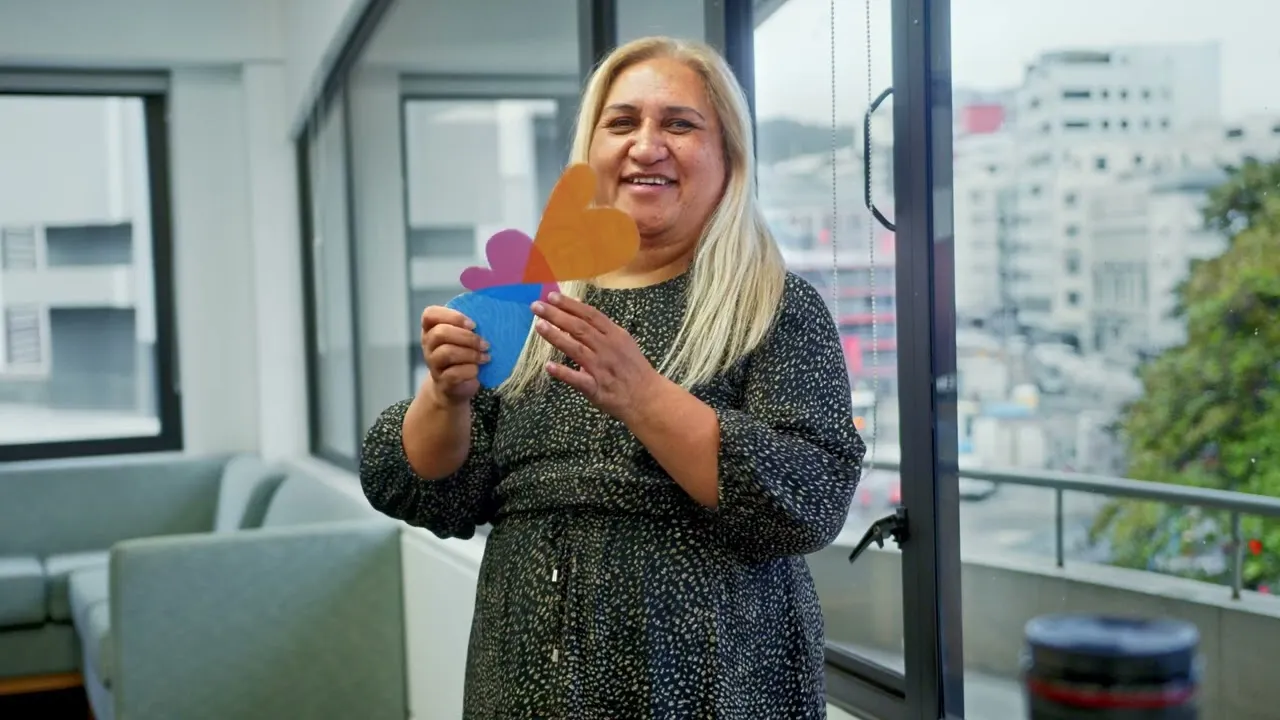
Plunket — Kotahitanga, Our Strategy 2026–2031

Strategy launch film · Press play

Plunket — Kotahitanga, Our Strategy 2026–2031

Kaimahi and board members explain Plunket's new strategy through the people it matters to. Watch the film, then explore the production route below.

About this project →

Corporate video production in Auckland for company stories, strategy launches and interviews. Work directly with Charlie to turn the message into a film your audience can understand and your team can use.

What does the audience need to understand?

Give the film a clear job.

Introduce the organisation.

A company profile or brand story can show what you do, who does it and why it matters. Real voices, locations and examples give a prospective client something concrete to assess.

Useful for websites, presentations and conversations with prospective clients.

Bring a strategy to life.

A launch film can connect a document to the people doing the work. Plan whose perspective matters and which practical examples make the message understandable.

Useful for internal launches, stakeholder updates and team communications.

Explain through experience.

An interview-led story can explain a service or an experience through the people involved. Build around specific questions, supporting footage and an agreed audience.

Useful for service stories, community communications and staff profiles.

Published work

See how the story becomes a film.

Kotahitanga — Our Strategy 2026–2031

Kotahitanga — Our Strategy 2026–2031

Launch film for Plunket's five-year strategy, Kotahitanga. Kaimahi and board members share what unity and togetherness mean for whānau across Aotearoa.

Explore the project →
Whānau Āwhina Plunket — Our Whakapapa

Whānau Āwhina Plunket — Our Whakapapa

The brand film tracing Plunket's whakapapa back to Karitane and the two wāhine who started it all — Mere Harper and Ria Tikini.

Explore the project →

Looking for documentary work or the studio reel? Explore the wider film and video portfolio.

Commissioning the work

Plan the story before the shoot.

  1. 01 · Brief

    Agree the audience and message.

    Start with what viewers need to understand or do. Identify the channels, deadline, decision-maker and budget range, then agree the deliverables and production scope.

  2. 02 · Prepare

    Find the people and the evidence.

    Plan interview questions, supporting footage, locations and the filming schedule. Confirm access, participant permissions, approved claims and any material that must stay private.

  3. 03 · Film

    Make room for a real conversation.

    Direct the interviews and capture the people, places and details that support them. Shape the shoot around the agreed story and formats, with crew and equipment scoped to the production.

  4. 04 · Review

    Bring the feedback together.

    Review the story and edit before final finishing. Nominate a person to consolidate feedback, check names and claims, and resolve conflicting comments within the agreed review stages.

  5. 05 · Deliver

    Finish for where the film will play.

    Complete colour, sound and the graphics or captions included in the scope. Check the agreed main film, shorter edits and delivery formats before handover.

Before we quote

Bring what you know.

You do not need to solve the production first. These details help Charlie recommend a practical route:

Several audiences or ideas? Read one film or a video series before deciding how many edits to commission.

  • The audience and the message they need to take away.
  • The people, locations and existing material available.
  • Where the video will run, and any shorter or vertical versions.
  • The deadline, approval process and budget range if known.

Good to know

Common questions, answered plainly.

What does a corporate video production include?

The agreed scope can cover creative development, interview planning or scripting, filming, editing, colour, sound, graphics and delivery versions. Lucid Lab sets out the shoot requirements, review stages and finished outputs in the proposal, so you can compare what is included before production starts.

Do we need a finished script before contacting you?

No. Start with the audience, the message, where the video will be used and the deadline. For an interview-led film, the next step is usually to identify the people and examples that can tell the story, then plan questions and supporting footage. A scripted piece follows a different preparation route.

How much does a corporate video cost in Auckland?

The quote depends on preparation, shoot days, locations, crew, editing, graphics, review requirements and the number of delivery versions. Share a budget range if you have one. Charlie can then shape the scope around the work you need; there is no fixed price that applies to every corporate video.

Can you film people who are not used to being on camera?

Yes. Interview planning and direction help people explain their work in their own words. Agree what they need to communicate, give them context before the shoot and allow time for a conversation rather than asking everyone to memorise the same script.

Can we get short clips as well as the main film?

Yes, when those outputs are included in the scope. Plan the main edit, shorter clips, horizontal and vertical framing, captions and calls to action before filming. Each version should serve its intended audience and channel, rather than relying on a crop of the finished main film.

Do you use AI to create corporate interviews?

For a film about real people or an organisation's actual work, the live-action route centres on filming those people and places. Lucid Lab also offers AI advertising as a separate production approach. If a brief combines methods, agree which elements are filmed, animated or generated and how they will be represented to the audience.

Useful before the first conversation.

Have a concept that calls for generated imagery? Explore AI advertising and product video.